
In the places where we work, water is a precious thing, never taken for granted and for the communities we work with long distances for clean and safe water is a fact of life – but it shouldn’t be.
Thanks to support like yours we are helping forgotten communities forced to endure many hardships including unsafe water and lack of hygiene infrastructure jeopardizing lives.
In Uganda, displaced communities in Obongi and Adjumani feel these hardships more than most and girls especially are vulnerable where period poverty and lack of Water, Sanitation & Hygiene (WASH) has a domino effect impacting not just their health but their education and safety.
Most refugees in Adjumani come from South Sudan where cultural norms promote early childhood marriage preventing the education and development of girls.
This is one of the biggest challenges we face in building a strong foundation for girls’ education, and as well as addressing the barriers to education related to poverty, projects require gender responsive action.
One challenge linked to girls’ education is menstrual hygiene and the lack of access to safe and proper toilet and sanitation facilities.
As well as the lack of affordable hygiene products, miseducation and inaccessible or unsafe toilet facilities worsens the experience of vulnerable girls and compels them to miss school and feel ashamed for bleeding – all these domino effects mean teens are jeopardising their own futures over needless period stigma and the lack of access to safe wash facilities.
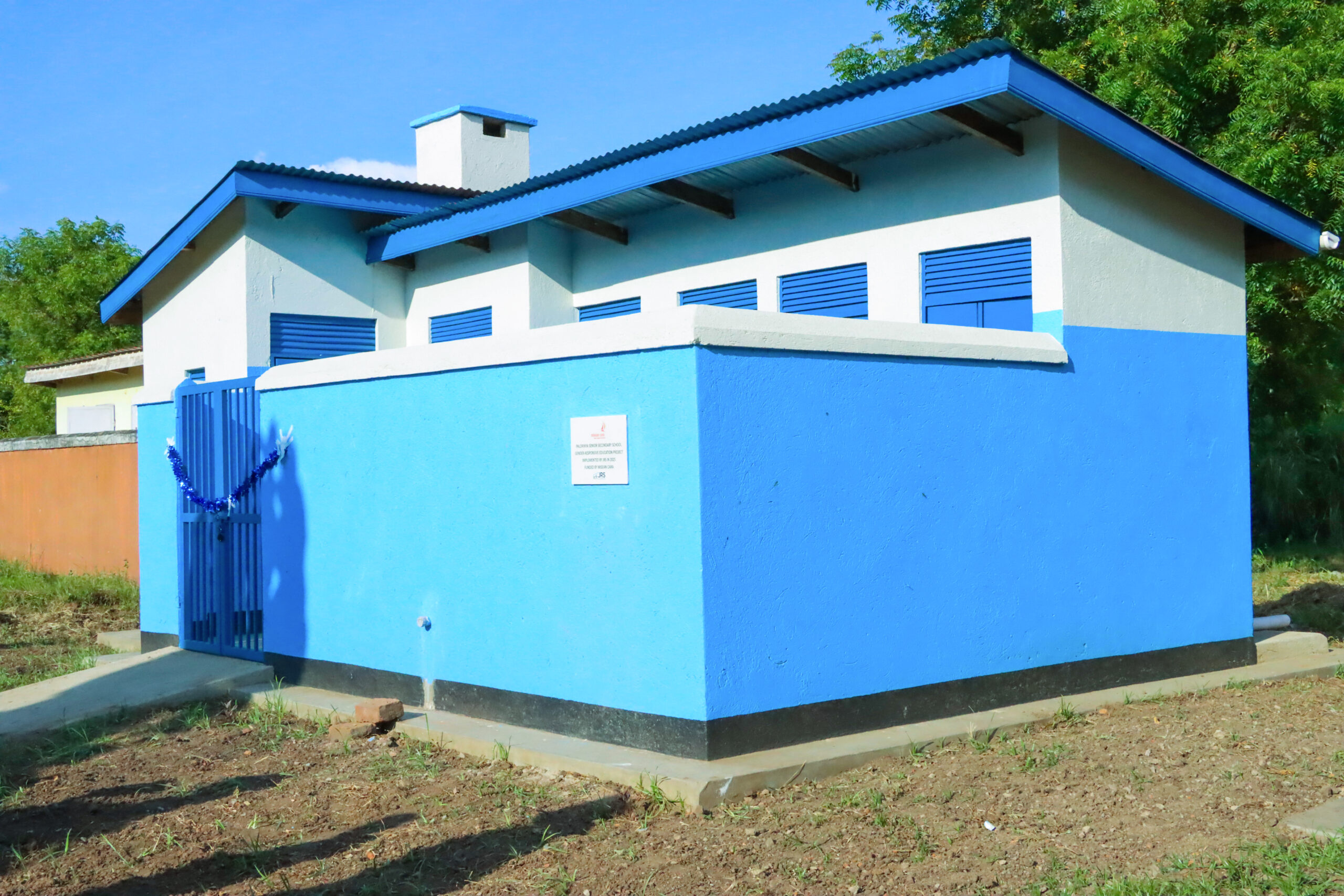
But for 350 students, such challenges can be overcome with the building of a new latrine block equipped with an incinerator at Palorinya Secondary School!
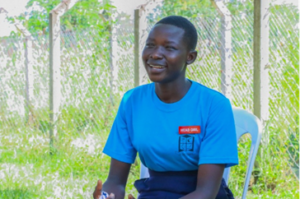
The Head Girl of Palorinya Secondary School expressed her appreciation on behalf of the girls.
This intervention followed local surveys and findings of a WASH needs assessment across local schools, which identified inadequate sanitation facilities for girls as a major barrier to regular attendance and dignity management.
The new facility is designed to ensure privacy, safety, and effective menstrual hygiene management for female students and the included incinerator offers a safe and sanitary solution for menstrual waste disposal, promoting a cleaner, healthier, and more dignified school environment.
This project was about empowering girls through dignity and in addition to the latrine, 50 students (22 males, 28 females) received scholastic and hygiene kits containing learning materials, stationary and personal items like soap and sanitary pads.
This intervention helped reduce absenteeism and the risk of school dropout, improving performance, retention, and overall well-being.
A major part of the project was working with teachers and community elders to not only promote girls’ education but through workshops over 1,400 young people joined awareness sessions promoting education on menstrual hygiene, reducing stigma and promoting a supportive, inclusive school culture.
The generosity of our supporters in Ireland, make WASH projects like this one a reality and at Irish Jesuits International we believe all children deserve safety, dignity & the chance to make something of themselves
Let’s tackle the challenges of education and health and wellbeing together & support communities often forgotten from mainstream headlines.
For #WorldWaterDay join the campaign and bring hygiene support to those who need it most